Choose your country to continue
Uncategorized
October 6, 2026 / October 7, 2026 by giggy | Leave a Comment
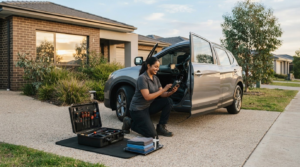
What if car care could fit around your day instead of taking it over? With autocare services at home, you can arrange suitable professional help...
Read more »
Tagged
October 2, 2026 / October 5, 2026 by giggy | Leave a Comment
What if the best pet care option isn’t the closest one, but the one that fits your pet’s routine? Searching for pet care services near me in...
Pet Care
September 1, 2026 / August 31, 2026 by giggy | Leave a Comment
Life gets busy, but your dog still needs regular exercise, mental stimulation, and time outdoors. Whether you’re working long hours, travelling during the day, or simply juggling family commitments, finding reliable dog walking services in Melbourne can help you maintain a consistent routine for your pet. Many pet owners begin by searching for dog walking […]
GigMate Moving
August 31, 2026 / August 31, 2026 by giggy | Leave a Comment
Moving businesses can spend hours responding to enquiries that never become confirmed work. Customers may provide incomplete inventories, underestimate stairs, forget parking restrictions or compare quotes that cover different services. For a small removalist or man-with-a-van operator, this wasted time is expensive. Melbourne also adds long travel distances, tolls, apartment access and unpredictable traffic. GigMate can help moving providers explore customer requests through Giggy, but the strongest results come from disciplined quoting and a clear definition of the jobs a team wants. Decide which moves fit your operation Not every mover needs to handle a four-bedroom interstate relocation. Small teams may be well suited to apartment moves, single-item transport, student moves, furniture pickup, packing help or short local relocations. Define vehicle capacity, crew size, lifting limits, service radius and the equipment available. If pianos, spas, safes, balconies or hoisting are outside your scope, state that clearly. Saying no to the wrong request protects the schedule and the customer’s belongings. Melbourne suburb clusters can reduce empty travel An inner-city route may include the CBD, Southbank, Docklands, Richmond and South Yarra, where loading zones, lifts and parking need careful planning. A western route might cover Footscray, Sunshine, Tarneit, Werribee and Point Cook. Northern teams may prefer Coburg, Preston, Epping and Craigieburn. South-eastern operators could focus on Dandenong, Cranbourne, Narre Warren and Frankston. Matching jobs within a practical corridor can reduce unpaid travel and improve punctuality. Ask for an inventory before giving confidence A reliable quote needs more than “moving a two-bedroom apartment.” Ask for an item list, photos or video, pickup and delivery addresses, floors, lift access, stair details, walking distance, parking, dismantling needs and any unusually heavy or fragile items. Confirm whether boxes are packed and whether the customer expects packing, assembly or disposal. If information changes, explain how the quote or duration may change. Transparency is better than a low estimate followed by conflict. Separate small moves from complex moves Small moves can be profitable when the scope is clear and travel is controlled. A sofa delivery, bedroom move or few large items may fit between bigger bookings. Complex moves need more planning, crew and protection. Create service categories that help customers choose accurately. A “one man and van” option should explain what the customer must help with and which items cannot be handled safely by one person. Safety must override pressure to accept the booking. Protect time with clear operating terms Before confirmation, customers should understand arrival windows, hourly or fixed-price structure, minimum charges, travel treatment, payment timing, cancellation rules and what happens when access or inventory differs from the request. These details must match the provider’s approved terms and applicable consumer requirements. Do not hide material costs. A clear confirmation message reduces confusion on moving day and gives the crew a consistent process. Professional handling builds repeat and referral work Use suitable blankets, straps, trolleys and protection. Photograph pre-existing damage where appropriate. Communicate delays before the customer has to call. Treat apartment common areas and neighbours respectfully. At delivery, confirm item placement and note any issue immediately. Moving is stressful for customers, and calm communication can be as valuable as physical strength. A small team that behaves professionally can build a strong local reputation. How to evaluate GigMate as a lead source Review the current provider process, fees, payouts, support and verification requirements before accepting work. Start with one or two move types and a limited suburb corridor. Track quote time, conversion, travel, labour hours, vehicle costs, completed revenue and disputes. Compare the result with your other lead sources. If the fit is weak, narrow the inventory, area or availability. The goal is not to answer every request; it is to accept suitable work efficiently. Build a fast but disciplined lead-response system Moving enquiries often go to several companies, so response time matters. Speed should not replace qualification. Use a standard message requesting the inventory, addresses, access information, preferred date and photos or video. Set a time each day to review complete enquiries and close incomplete ones after a reasonable reminder. Keep quote versions and customer confirmations in one place. A simple system reduces repeated questions and helps the team see which jobs are genuinely confirmed rather […]
Automobile GigMate
Mobile car detailing, gardening and property maintenance all depend on location. The work happens at the customer’s home or site, equipment travels with the provider and weather can change the plan. Melbourne’s western, northern and south-eastern growth corridors offer a large base of houses, vehicles, rental properties and outdoor spaces. Yet growth is only useful when routes are compact and the job is properly scoped. GigMate can help local providers consider relevant requests through Giggy while keeping the final decision grounded in distance, time, safety and business value. Build around a practical operating radius A detailer in Truganina may create an efficient route through Tarneit, Williams Landing, Point Cook and Deer Park. A gardener in Cranbourne might focus on Clyde North, Narre Warren and Berwick. A property-maintenance provider near Glen Waverley may prefer Mount Waverley, Wheelers Hill and Mulgrave. These clusters are operational, not just marketing choices. They influence fuel, setup time, the number of bookings possible in a day and whether the provider can return if follow-up is required. Mobile car detailers: describe the package, not just the shine Customers need to know whether a booking is a basic wash, interior clean, full detail, stain treatment, paint correction or protective coating. State the expected duration and what the customer must provide, such as water, electricity or off-street access. Ask about vehicle size and condition before confirming. Pet hair, heavy staining, mould, overspray or damaged paint can change the work significantly. Clear photos and honest expectations reduce last-minute price arguments. Gardeners: recurring work starts with a clear first visit A lawn-mowing request may include edging, green-waste removal, pruning or an overgrown garden that needs more than routine maintenance. Ask for photos, access information, approximate area and waste expectations. Explain what is included. If the first visit is a major clean-up, quote it separately from future maintenance. A reliable recurring schedule can be valuable, but only after both sides understand the baseline condition and the normal service. Property maintenance: avoid an undefined scope Property maintenance can include pressure cleaning, gutter cleaning, window cleaning, minor repairs, fence or deck care and many other tasks. A broad label should never replace a specific work order. Providers should identify access risks, height work, specialist equipment and any trade licensing requirements. If a task needs a licensed electrician, plumber, gas fitter or other specialist, it should not be accepted as general maintenance. Safe boundaries protect the customer and the provider. Weather and access must be part of scheduling Rain, heat, wind and water restrictions can affect outdoor work. Apartment car parks may not permit detailing. Gated properties may require access instructions. Garden waste may need an agreed disposal method. Gutter or roof work may be unsafe in certain conditions. Confirm these details before travelling. When weather changes, communicate early and offer a realistic reschedule rather than waiting until the customer is expecting arrival. Use route density to improve the economics Providers often focus on the price of an individual booking, but the day’s route matters too. Two reasonable jobs in neighbouring suburbs may be better than one higher-priced job across the city. Track kilometres, travel time, setup, consumables and unpaid gaps. Define preferred days for each suburb cluster. Over time, this can create a predictable operating rhythm and make it easier to assess opportunities from GigMate or any other channel. What a strong provider profile should show Customers should quickly understand the service, area and standard of work. Use recent examples that you have permission to share. List equipment, experience, insurance and licences accurately. Explain any site requirements. Avoid exaggerated phrases such as “we do everything.” A narrower profile can convert better because the customer knows exactly why the provider is suitable. Fast, professional responses further strengthen trust. Prepare a simple pre-arrival checklist A few checks can prevent a wasted trip. Detailers should confirm vehicle type, condition, access to the work area and any water or power requirement. Gardeners should confirm gate width, pets, green- waste arrangements and the condition of the site. Maintenance providers should verify height, surface type, access and whether photos reveal specialist work. Send the customer a short confirmation with the arrival window and preparation needed. When both sides know what to expect, the provider can arrive ready to work rather than diagnose basic logistics on site. […]
Cleaning GigMate HandyMan
Cleaners and handymen solve some of the most frequent problems in a busy city: homes that need attention, rental properties preparing for handover, furniture waiting to be assembled and repairs that never reach the top of the household list. Melbourne’s northern and western suburbs contain a wide mix of apartments, established homes and growth areas. That creates opportunities for dependable local operators, but it also creates travel and scheduling challenges. GigMate can help providers explore customer requests through Giggy, provided the work is matched to the right service, suburb and skill level. The opportunity is local, not just metropolitan A cleaner based in Werribee may be efficient across Point Cook, Hoppers Crossing and Wyndham Vale but lose hours travelling to the inner east. A handyman in Reservoir may build a better day around Preston, Coburg, Thornbury and Brunswick. A provider’s service radius should reflect traffic, parking, tolls, fuel, equipment and the value of the booking. “Melbourne-wide” sounds attractive in an advertisement, but it can weaken profit and punctuality in practice. Cleaning providers: separate your service types Regular house cleaning, deep cleaning, end-of-lease cleaning, carpet cleaning, office cleaning and post- renovation cleaning are not interchangeable. Each has different equipment, timing and customer expectations. Providers should list what is included and what costs extra. For end-of-lease work, avoid promising a bond result you cannot control. Instead, explain the cleaning scope, re-clean policy if applicable and any exclusions such as external windows, mould, damaged surfaces or specialist waste. Handymen: make the boundary of your work clear Customers may use “handyman” for everything from hanging a picture to electrical repairs. Providers must define what they can legally and safely perform. Flat-pack assembly, mounting, minor carpentry, patching, door adjustments and general repairs may suit a handyman profile. Electrical, plumbing, gas, structural or other regulated work may require specific licences. Never accept a task simply because it appears small. Scope, site conditions and credentials still matter. Use spare capacity deliberately The most useful additional booking is one that fits an existing day. A cleaner may want a fortnightly home near two current customers in Point Cook. A handyman may want short assembly jobs in Coburg on Friday afternoons. An end-of-lease team may have midweek availability around Footscray and Sunshine. By defining these openings, providers can assess new requests quickly. It also prevents an “extra” job from disrupting confirmed customers or creating an unrealistic route. Quote with enough information Before confirming, ask for the address, property type, access details, parking, photos where useful, expected scope and any time constraint. Cleaners should ask about bedrooms, bathrooms, current condition, pets and whether products or equipment must be supplied. Handymen should request photos, measurements, wall type, product instructions and information about existing damage. A rushed quote based on one sentence can create disputes for everyone. Reliability is a growth strategy Small providers can compete through communication. Confirm the appointment, arrive within the agreed window and advise the customer early if something changes. Bring the right equipment. Protect floors and furniture. Clean the work area before leaving. Document any pre-existing damage or scope change. These habits generate trust and make customers more willing to book again. They also help a marketplace distinguish dependable providers from people who simply accept every lead. Evaluate GigMate with a controlled trial Before joining any provider channel, understand the current terms, fees, payouts, cancellation arrangements, support process and verification requirements. Then select a limited service area and a small number of services. Track travel time, job duration, materials, revenue and customer feedback. If the numbers are not working, adjust the radius, minimum scope or available times. Growth should improve the business, not just make the calendar look full. Create a repeatable service standard A checklist can make a small business more consistent. Cleaners can use a room-by-room scope, arrival photos where permitted, and a final inspection before leaving. Handymen can confirm tools and fixings, protect nearby surfaces, test the completed work and show the customer what was done. Use the same confirmation and completion steps for every booking. A standard does not remove personal service; it reduces forgotten details. It also makes it easier to train another team member if the business expands. […]
 Australia
 Canada Australia Canada